 Skip to content

Imagine this: you’re on your usual lunchtime walk through the CBD, or maybe out shopping at Orchard Road. But something’s off. A burning or tingling pain starts creeping into the ball of your foot. It feels like you’re walking on a pebble stuck in your shoe — but there’s nothing there. You shift your weight, hoping it’ll go away… but it doesn’t.
This isn’t just tired feet. It could be Morton’s neuroma — a common foot condition we see in active adults across Singapore.
Let’s break it down: what it is, what causes it, how to ease the pain, and when to seek help from a podiatrist.
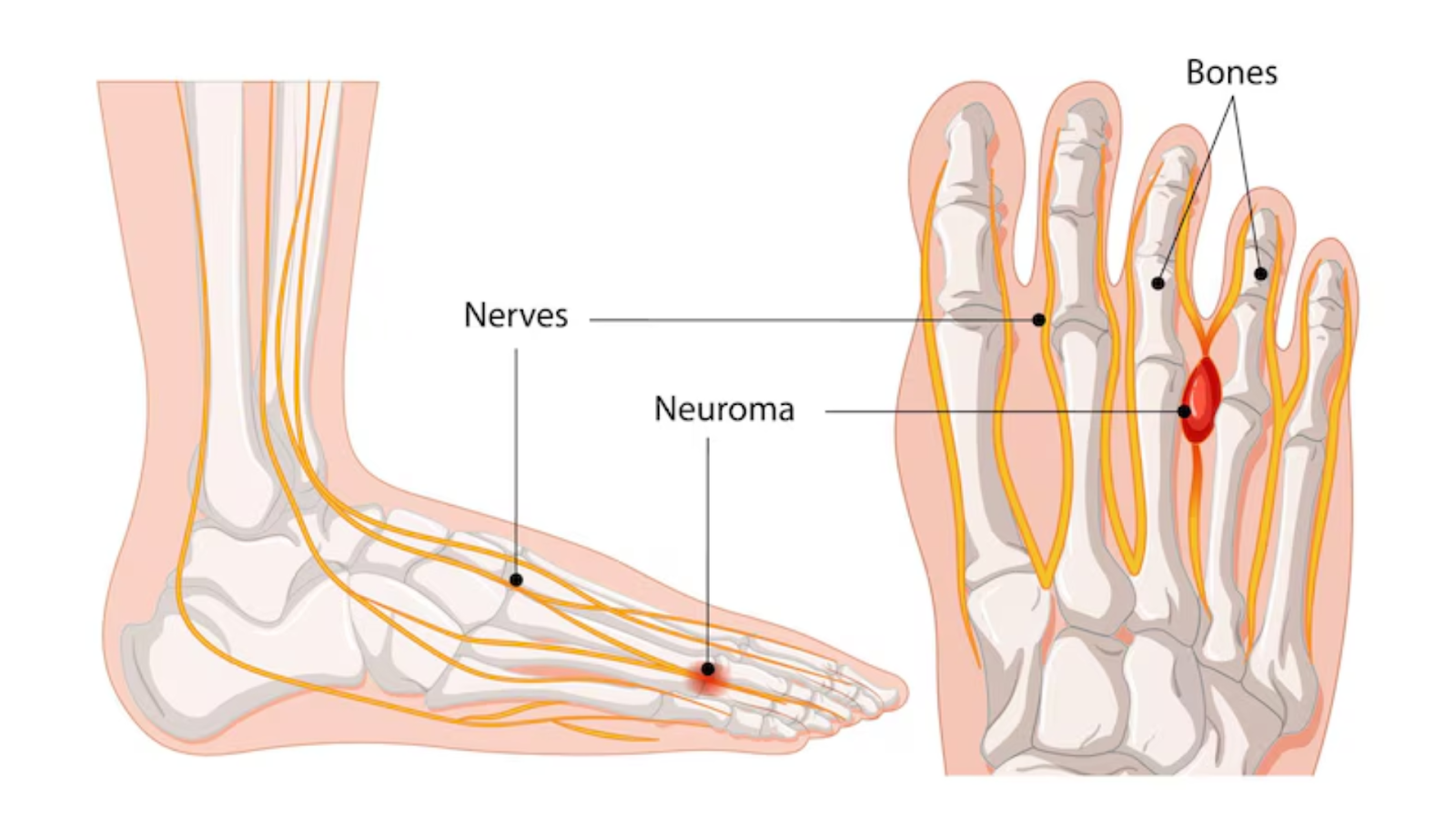
Morton’s neuroma is a thickening of the tissue around one of the nerves leading to your toes, most commonly between the 3rd and 4th toes. The condition causes nerve irritation and results in burning, numbness, or a sharp pain in the forefoot.
It’s not actually a tumour, despite the name “neuroma.” Think of it more like a pinched nerve — one that doesn’t get better with just rest alone.

Common signs include:
If this sounds familiar, you’re not alone. Many Singaporeans brush this off as “normal foot pain” — but early intervention makes a huge difference.
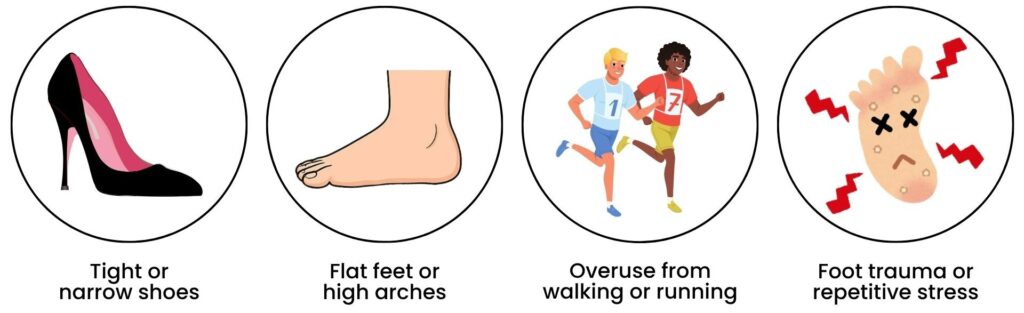
There isn’t just one cause — often it’s a combination of lifestyle and anatomical factors. Common causes include:
Our hot and humid climate also means many wear sandals or minimal footwear for comfort — unfortunately, these often lack the support needed to prevent nerve compression.

Mild walking may be okay, but prolonged standing or walking — especially in unsupportive or tight shoes — can aggravate symptoms.
Stick to short walks in supportive, wide-fitting footwear and monitor your symptoms closely. If the burning or numbness worsens, it’s time to consult a podiatrist.
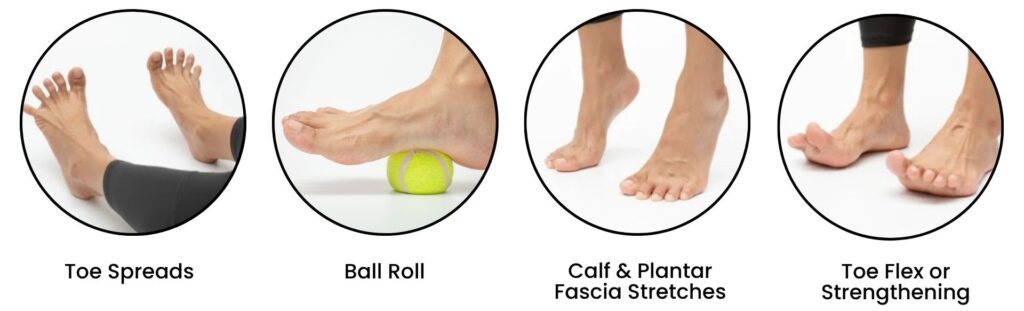
Here are some gentle, podiatrist-approved exercises:
These help relieve pressure on the nerve and reduce symptoms, but they aren’t a replacement for professional advice if pain persists
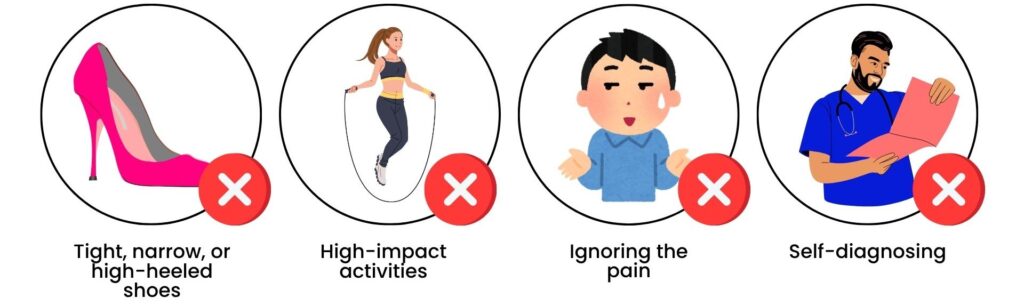
Many people delay seeking help, thinking the discomfort is “normal.” But an untreated neuroma can lead to chronic pain and limited mobility.

The condition may worsen over time, causing:
Early diagnosis and targeted treatment are key.

Podiatrists are experts in foot and nerve-related conditions. At Physio & Sole Clinic, here’s how we support you:
We work with you to get to the root cause, not just the symptoms.

Seek help if:
Getting expert care early can help you avoid long-term nerve damage.

We know life in Singapore is busy, but foot pain shouldn’t be something you “just live with.” Morton’s neuroma can be treated effectively, especially with early intervention from a qualified podiatrist.
Whether you’re pounding the pavement, chasing kids, or navigating the MRT rush hour, your feet deserve support.
Our podiatrists at Physio & Sole Clinic are here to help. With multiple locations across Singapore and a team experienced in treating nerve-related foot conditions, we’ll work with you to walk pain-free again.
📍 Multiple clinic locations across Singapore
🌐 Book online at physioandsole.com.sg